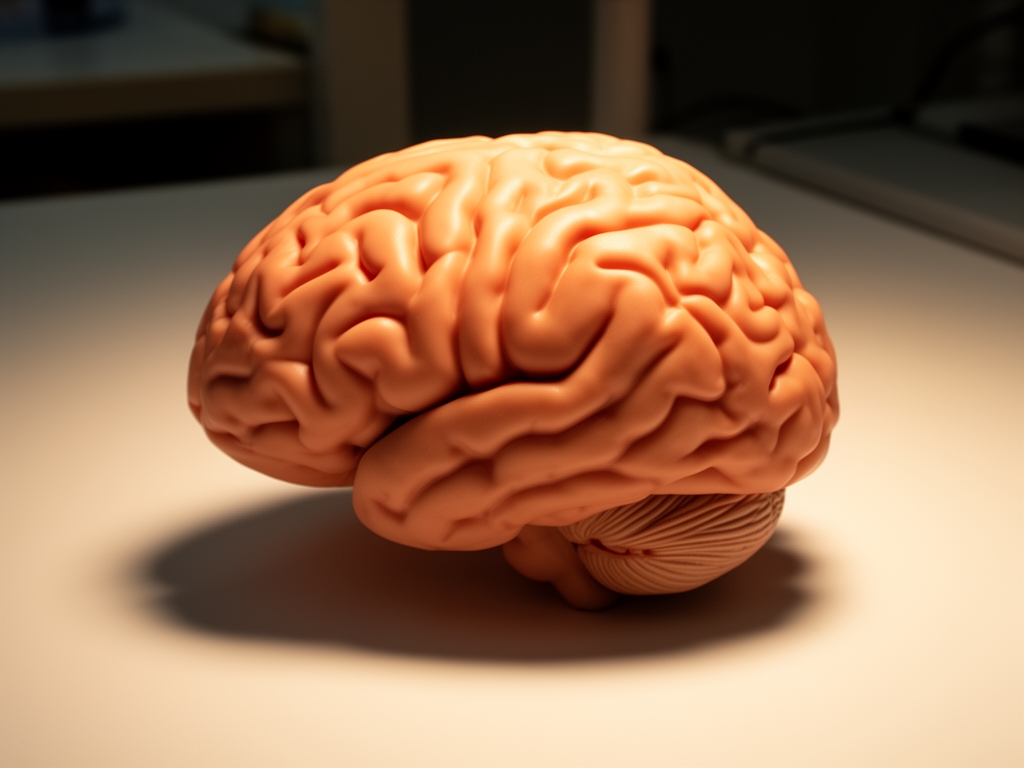
Cognitive Performance
An overview of how attention, memory, and reasoning have been studied and discussed in the context of daily performance. Historical and contemporary frameworks explored neutrally.

A structured, editorially curated resource presenting the broad landscape of human performance, daily routines, and well-being. Information for context, not instruction.
Explore the ResourceAethelia exists as an independent, non-commercial editorial resource. Our purpose is to systematically present information about human performance and well-being — contextualising established terminology, surveying historical perspectives, and offering neutral comparisons of widely discussed approaches. No recommendations. No outcomes promised. Only structured knowledge.
Each section of this compendium is designed to stand on its own as a self-contained reference. Taken together, they form a coherent picture of a complex and evolving field of inquiry.
The following thematic areas represent the primary lenses through which Aethelia organises its content. Each reflects a broad domain of understanding rather than a prescriptive category.
An overview of how attention, memory, and reasoning have been studied and discussed in the context of daily performance. Historical and contemporary frameworks explored neutrally.

Examining how structured daily habits have been understood across cultures and time periods. A neutral look at the relationship between routine and self-reported well-being.

A structured overview of how rest, sleep, and recovery have been conceptualised across scientific literature and popular discourse. Terminology and context provided.

Understanding how physical surroundings — light, temperature, sound, and space — have been linked to energy and focus in established research and broader discussion.
A comparative overview of how physical movement has been framed in various contexts — from historical perspectives to contemporary fitness concepts. Neutral, non-prescriptive.

Surveying the landscape of stress management approaches and the broader concept of balance as it appears in well-being literature. Historical, cultural, and contemporary perspectives.


The pursuit of understanding human performance and well-being is not a modern phenomenon. Across different periods and traditions, distinct frameworks emerged to explain and structure the relationship between the body, the mind, and the environment.

Early Greek and Roman thought framed well-being as the alignment of physical constitution with intellectual and social function. Concepts such as eudaimonia represented a holistic understanding of flourishing rather than isolated physical states.

The Enlightenment period brought a shift toward systematic observation and documentation of human physiology. Natural philosophers began categorising lifestyle factors and their observable relationships to vitality and mental clarity.

The development of formal experimental methodology allowed well-being to be studied under controlled conditions. This era produced foundational terminology still used today, though interpretations have continued to evolve significantly.
A selection of questions that reflect common points of inquiry about the topics covered on this resource.
On Aethelia, human performance and well-being refer to the broad set of factors — cognitive, physical, environmental, and behavioural — that have been studied and discussed in relation to how people function across daily life. The resource presents this as a landscape of knowledge rather than as a set of recommendations.
Comparisons on this resource are presented in a neutral, descriptive manner. Different approaches or methodologies are examined for their stated assumptions, historical context, and typical framing — without endorsing one above another. The goal is to support an informed reading of the field.
Aethelia provides structured editorial content covering terminology, historical perspectives, conceptual frameworks, common misconceptions, and a broad contextual overview of human performance and well-being. There are no personal recommendations, no individual guidance, and no outcome-oriented claims.
All content on Aethelia is intended as general background reading. The materials are descriptive and contextual in nature. Readers are encouraged to approach the information as a starting point for broader, independent inquiry rather than as definitive guidance.

For questions or commentary about the educational content presented on this resource, Aethelia welcomes written correspondence. All communication is handled for informational purposes only.
Go to ContactsEvery section of Aethelia is structured to support unhurried, informed reading. Follow your curiosity at your own pace.
Explore All Topics